

Category: Church Criticism & Apologetics

The Myth of the ‘Primal Man’: A Critique of Trad Cat Americanism
Seen through the lens of authentic Catholicism, the popular ‘Trad Cat’ movement in the United States is increasingly revealing itself as a strange amalgam of Christian symbolism and secular hyper-masculinity. What is presented as a return to tradition turns out, on closer examination, to be a radical break with Catholic anthropology — a ‘manliness’ far…
The Beam in Our Own Eye: A Critique of Politicized Christianity
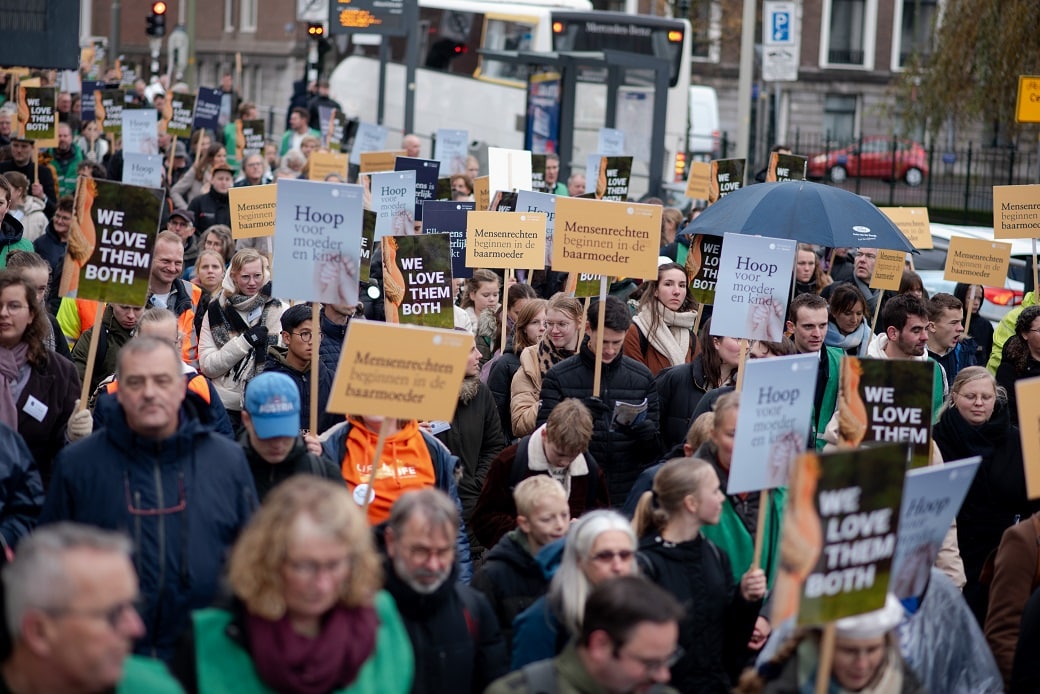
There is a deep and painful paradox at work in the Church today. A movement born of one of the most fundamental and noble convictions of our faith — the defense of the inalienable right to life — has come more and more to speak the language and adopt the methods of secular political combat.…
The Church as Stumbling-Block
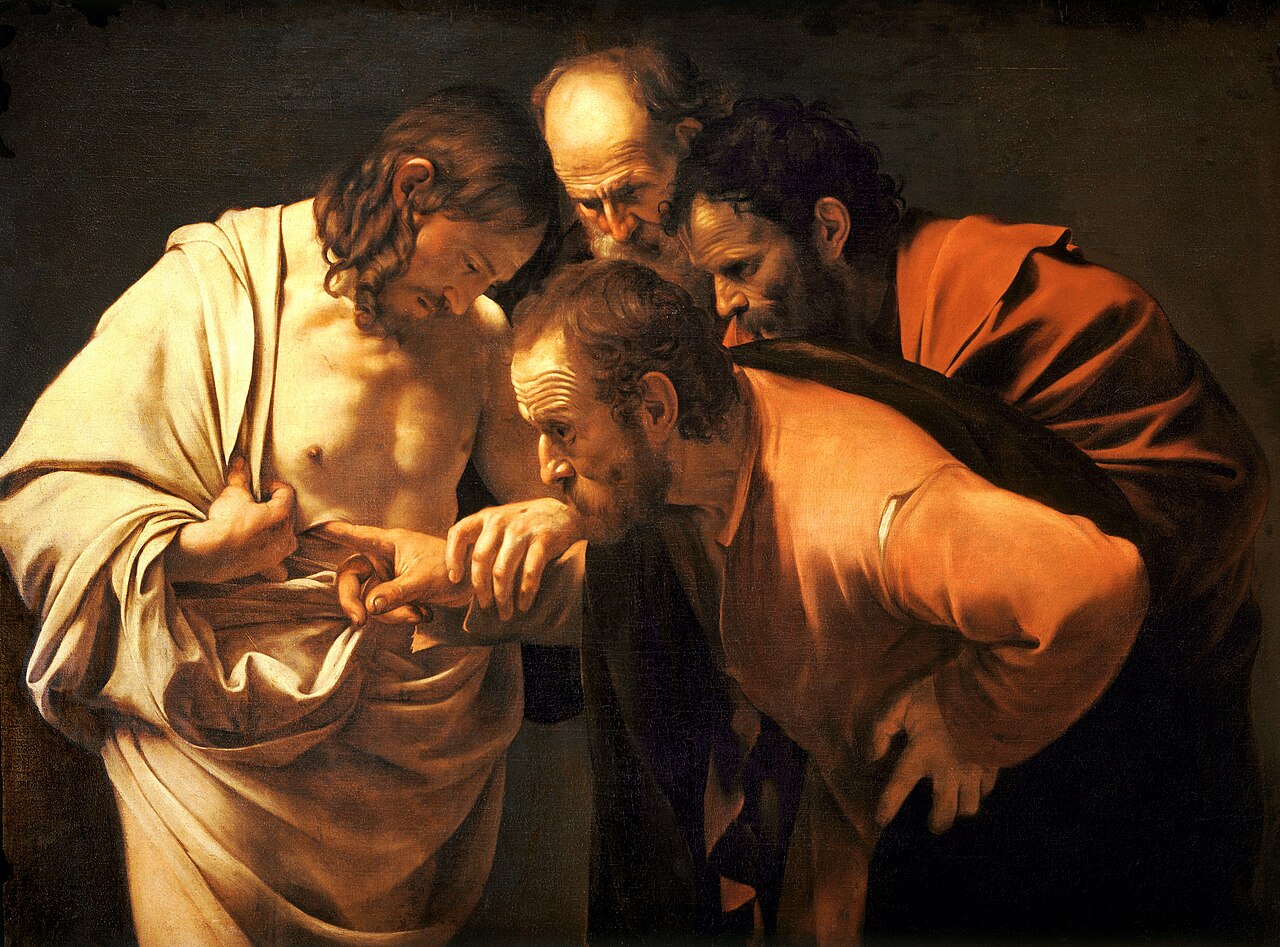
There is a strange dynamic in the search for God in our modern times. It often begins not with a clear longing, but with a subtle dissatisfaction; the gnawing recognition that the career you have built and the surface successes the world offers leave a deeper emptiness untouched.

Our Voluntary Servitude under Soft Tyranny
It is nearly two centuries since the French thinker Alexis de Tocqueville set this down after his visit to the young American democracy. Does he not describe, with almost unbearable precision, the world in which we live today?

Do You Still Believe in St. Nicholas?
It is that time of year again. The streets turn red and gold, children’s eyes sparkle with anticipation, and an air of innocent magic fills the sky. The feast of Sinterklaas — St. Nicholas as the Dutch celebrate him — is, we are told, an innocent fairy tale, a tradition that brings joy. But what…

A World Without God: The Ideological Basis of H.G. Wells’s Crux Ansata
H.G. Wells’s *Crux Ansata: An Indictment of the Roman Catholic Church*, published amid the tumult of 1943, is far more than a historical critique. It must be read as an ideological manifesto — the logical and necessary consequence of Wells’s lifelong project: the vision of a man-made world, ordered by science and a secular world-state.…

“As Long as It Feels Good”
We live in an age obsessed with feeling. “As long as it feels good” is the adage that, like an invisible hand, guides our action. It is the ultimate justification for choices in relationships, career, and even morality. This cult of feeling promises us a state of well-being, a kind of inner harmony said to…

The Great Illusion of Psychology
In the pantheon of modernity, few figures have stamped our self-image as deeply as Sigmund Freud. His psychological trinity — Id, Ego, and Superego — is more than a clinical model; it has become the unofficial catechism of a modern man who has abandoned God. It is time for an autopsy: a dissection of this…
A Case Against the Prosperity Gospel of Andrew Wommack
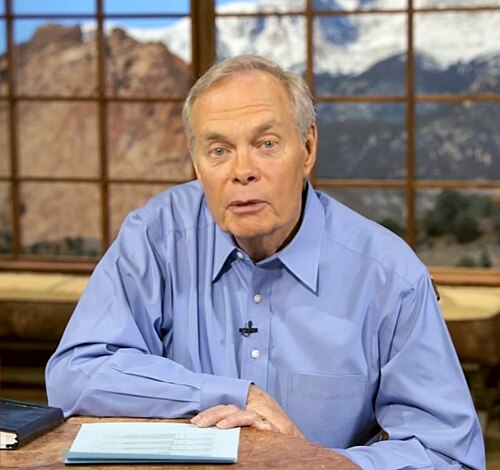
In a world full of uncertainty, sickness, and suffering, the promise of a life free of pain and full of prosperity is undeniably attractive. It is this promise that lies at the core of the prosperity gospel preached by figures such as Andrew Wommack. Yet, however attractively presented, this teaching is a fundamentally arrogant, theologically…
Nicolás Gómez Dávila: Catholicism Is My Fatherland.
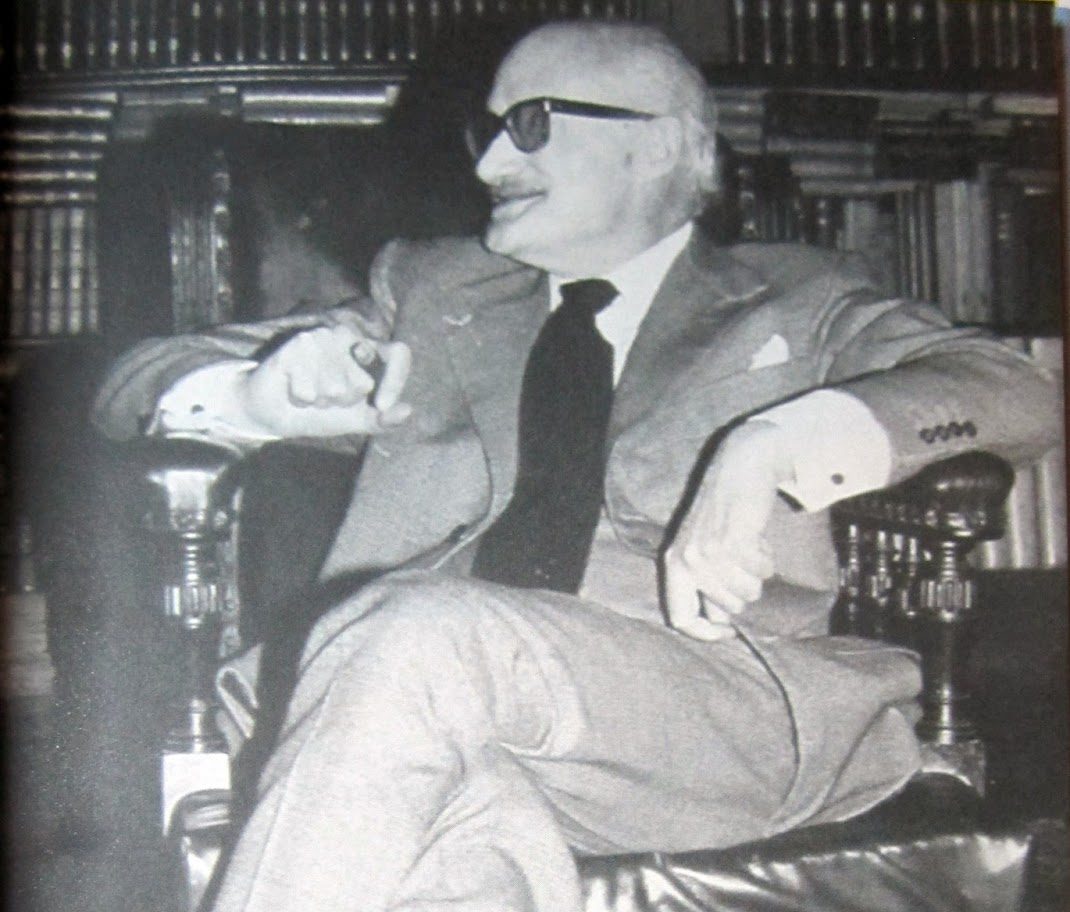
For the Colombian philosopher Nicolás Gómez Dávila, this was no poetic metaphor but an existential declaration. In a world of fleeting identities, intellectual fashions, and the hollow promises of secular states, he found his true citizenship in the unchanging landscape of the Church. His fatherland was not of this world — yet *in* this world,…


